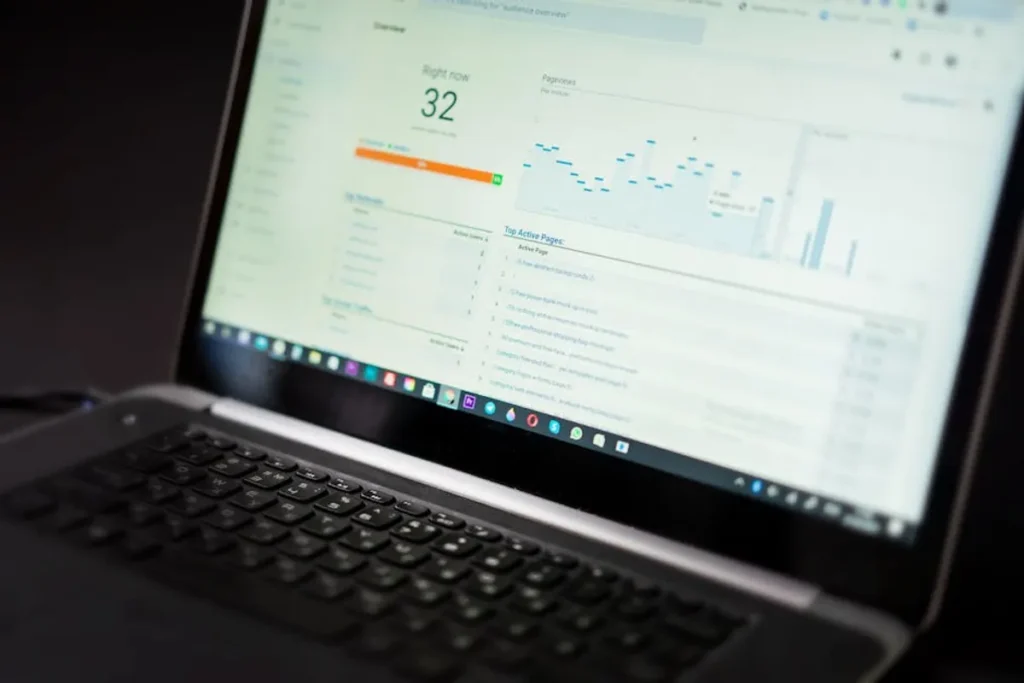
Effective SEO hinges on accurate data, and rank tracking forms a foundational component of that data. However, the seemingly straightforward act of monitoring keyword positions can become a source of significant strategic misdirection if common pitfalls are not avoided. Flawed rank tracking data directly translates into misinformed decisions, leading to wasted resources, misallocated budget, and ultimately, a failure to achieve desired organic search objectives. Understanding these critical mistakes and implementing robust corrective measures is essential for any SEO professional, marketer, or site owner aiming to derive actionable intelligence from their performance metrics. This accurate data is key to demonstrate SEO progress with rank tracking data and justify ongoing efforts.
Tracking the Wrong Keywords for Business Impact
A primary error in rank tracking involves selecting keywords that do not align with core business objectives or user intent. Many teams focus solely on high-volume, generic terms without considering their commercial value or the specific stage of the buyer journey they represent. Ranking highly for an informational query might generate traffic, but if that traffic rarely converts, the perceived SEO success does not translate to business growth.
- Irrelevant Keywords: Tracking terms that have little to no direct connection to the products, services, or information offered on the site. This inflates perceived visibility without delivering relevant audience engagement.
- Vanity Metrics: Prioritizing top positions for broad, competitive keywords that attract unqualified traffic, rather than focusing on long-tail, high-intent phrases that drive conversions.
- Outdated Keyword Lists: Failing to regularly update keyword portfolios to reflect changes in search trends, product offerings, or competitor strategies. This results in tracking terms that no longer matter to the target audience.
Correction: Implement a rigorous keyword research process that maps terms to specific stages of the sales funnel and business goals. Prioritize keywords based on search volume, commercial intent, and competitive landscape. Regularly audit and refine your tracked keyword list, removing underperforming or irrelevant terms and adding emerging opportunities.
Ignoring Local and Personalized Search Nuances
Rank tracking data often presents a generalized view, failing to account for the highly localized and personalized nature of modern search results. A global or national rank might look strong, but if the target audience is geographically constrained, or if individual user history heavily influences SERP display, that general rank becomes misleading for local performance.
For businesses with physical locations, service areas, or specific regional customer bases, a single overarching rank provides an incomplete picture. Similarly, search engines increasingly tailor results based on a user's past queries, location, and device, meaning two people searching for the exact same term might see different SERPs.
Pro Tip: Never assume a single rank represents universal visibility. Always segment your rank tracking data by specific geographic locations relevant to your business and consider device type (desktop vs. mobile) to understand the true user experience. Without this granularity, local SEO efforts or mobile-first indexing impacts can be misjudged, leading to ineffective optimization decisions.
Correction: Utilize rank tracking capabilities that allow for granular geographic targeting down to the city or postal code level. Track performance across different devices (desktop, mobile) to identify discrepancies. While truly personalized results are hard to replicate, understanding local and device-specific performance offers a far more accurate representation of actual user visibility.
Misinterpreting Rank Fluctuations Without Context
A common mistake is reacting impulsively to daily or weekly rank changes without understanding the underlying causes. A sudden drop or gain in position can trigger unnecessary panic or overconfidence, leading to hasty and potentially damaging strategic shifts.
Factors like algorithm updates, seasonal trends, competitor activity, or even minor technical issues can all influence rank. Without correlating rank data with these external and internal events, it becomes impossible to differentiate between a systemic problem requiring significant intervention and a temporary blip.
Correction: Integrate rank tracking data with a broader understanding of the SEO landscape. Monitor industry news for algorithm updates, consult seasonal trend data, and keep an eye on competitor movements. Cross-reference rank changes with site analytics (traffic, bounce rate, conversion changes) and recent site modifications (content updates, technical fixes). This contextual approach enables informed responses, distinguishing between noise and actionable signals.
Infrequent or Inconsistent Data Collection
Sporadic rank checks or inconsistent tracking schedules can obscure trends and make it difficult to attribute performance changes accurately. If ranks are only checked weekly or monthly, significant shifts that occurred between checks might be missed, or the cause of a change might be misidentified due to a lack of granular historical data.
For highly competitive keywords or during critical campaign periods, daily tracking is often necessary to capture the full dynamic of the SERP and respond promptly to competitor actions or algorithm shifts. Inconsistent data collection also makes year-over-year comparisons or trend analysis unreliable.
Correction: Establish a consistent and appropriate tracking frequency based on keyword volatility and business needs. For core, high-value terms, daily tracking provides the most actionable insights. Ensure that tracking parameters (location, device) remain consistent over time to allow for accurate historical comparisons and trend identification.
Failing to Connect Rank Data to Business Outcomes
Rank tracking is a diagnostic tool, not an end goal. A top ranking that doesn't contribute to traffic, leads, or sales is a vanity metric. A significant mistake is viewing rank in isolation, without linking it directly to downstream business metrics.
Without integrating rank data with web analytics and conversion tracking, SEO teams cannot demonstrate ROI or make data-backed arguments for continued investment. Decisions made solely on rank can lead to optimizing for visibility rather than profitability.
Correction: Always connect keyword rank performance to broader business metrics. Analyze how changes in rank correlate with organic traffic fluctuations, conversion rates for specific keywords, and ultimately, revenue generation. This holistic view allows for strategic decisions that prioritize business impact over mere positional gains, ensuring SEO efforts are aligned with commercial objectives.
Refining Your Rank Tracking for Better Decisions
Effective rank tracking moves beyond simply monitoring positions; it involves a strategic, contextual, and integrated approach to data analysis. By avoiding common pitfalls such as tracking irrelevant keywords, ignoring local nuances, misinterpreting fluctuations, and failing to connect data to business outcomes, SEO professionals can transform raw rank data into a powerful tool for informed decision-making. Prioritizing consistent, granular tracking and integrating it with broader analytics platforms ensures that every SEO strategy is built on a foundation of accurate, actionable intelligence, driving tangible commercial results.
Frequently Asked Questions
Why is daily rank tracking important?
Daily rank tracking provides the most granular view of keyword performance, allowing SEO professionals to quickly identify immediate impacts from algorithm updates, competitor actions, or site changes. This frequency is crucial for highly competitive keywords and enables faster, more informed responses to market dynamics, preventing prolonged drops in visibility.
How do I choose the right keywords to track?
Selecting keywords involves a blend of search volume, commercial intent, and competitive analysis. Prioritize terms that align directly with your business goals, target specific stages of the buyer journey, and have a reasonable opportunity for ranking. Regularly audit your tracked keywords to ensure they remain relevant and valuable.
What's the difference between rank tracking and analytics?
Rank tracking monitors your website's position in search engine results pages (SERPs) for specific keywords. Analytics (e.g., Google Analytics) measures user behavior on your website, including traffic sources, page views, bounce rates, and conversions. While distinct, they are complementary; rank tracking shows your visibility, and analytics shows what users do once they find you, providing a complete picture of organic performance.
Can rank tracking predict algorithm updates?
No, rank tracking cannot predict future algorithm updates. However, by consistently monitoring rank fluctuations and correlating them with industry news and announcements, you can often identify the impact of a confirmed or suspected algorithm update shortly after it rolls out. This helps in understanding the nature of the update and adjusting your strategy accordingly.