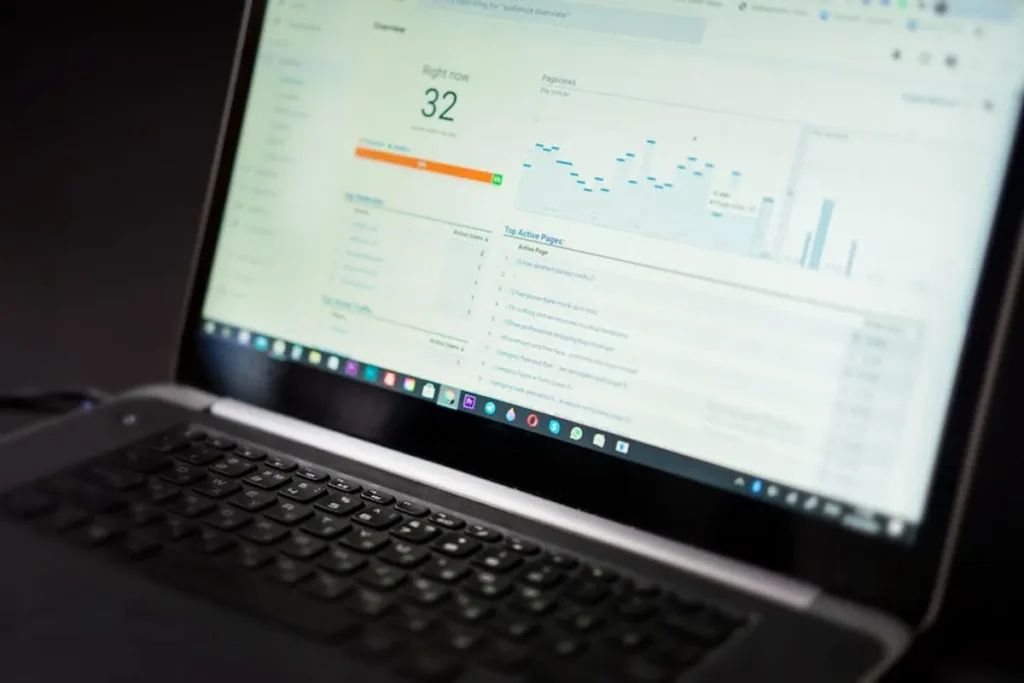
Monitoring search engine performance is fundamental to any organic search strategy. For SEO professionals, marketers, and site owners, the ability to track Google rankings daily moves beyond simple observation; it provides an immediate, granular view of search visibility that informs tactical adjustments and strategic planning. Daily rank tracking reveals the real-time impact of content updates, technical SEO changes, and competitor movements, offering a level of responsiveness that less frequent monitoring cannot match.
The decision to invest in a dedicated keyword rank tracker capable of daily Google ranking updates is driven by the need for timely, actionable data. In a search landscape characterized by continuous algorithm refinements and aggressive competition, relying on weekly or monthly data can mean missing critical opportunities or failing to mitigate negative trends before they escalate. A robust rank tracker provides the intelligence required to react swiftly, validate SEO efforts, and understand market shifts as they happen.
Why Daily Rank Tracking is Indispensable
The internet operates in real-time, and Google's ranking algorithms reflect this dynamism. Daily rank tracking offers several operational advantages that directly translate to more effective SEO:
- Immediate Performance Feedback: Understand the impact of recently published content, backlink acquisitions, or technical site optimizations within 24 hours. This rapid feedback loop allows for quick iteration and course correction.
- Competitor Intelligence: Observe daily shifts in competitor rankings for shared keywords. This insight can signal new content strategies, aggressive link building, or site-wide changes from rivals, enabling proactive counter-strategies.
- Algorithm Change Detection: Identify potential impacts from unannounced Google algorithm updates. Sudden, widespread ranking drops or gains across a portfolio of keywords can indicate a broad algorithmic shift, prompting deeper investigation.
- Penalty Identification: Rapidly detect significant ranking declines that might signal a manual or algorithmic penalty. Early detection is crucial for prompt diagnosis and remediation, minimizing long-term damage.
- Keyword Volatility Analysis: Track the inherent instability of certain SERPs. Highly volatile keywords might require a different content or link strategy compared to more stable terms, and daily data illuminates these patterns.
Best for: Agencies managing multiple client portfolios, e-commerce sites with rapidly changing product inventories, news publishers, and any business operating in highly competitive online niches where search visibility directly impacts revenue.
Core Features of an Effective Keyword Rank Tracker
A reliable keyword rank tracker designed for daily Google ranking updates should offer more than just a list of positions. Look for these essential capabilities:
Accurate and Granular Data Collection
The foundation of any rank tracker is its ability to pull precise, location-specific ranking data. This includes:
- Local Rank Tracking: Monitor rankings for specific cities, states, or even zip codes, crucial for businesses with a physical presence or geo-targeted services.
- Device-Specific Tracking: Differentiate between desktop and mobile rankings, acknowledging the distinct SERP layouts and user behaviors on different devices.
- SERP Feature Monitoring: Track visibility in rich snippets, featured snippets, local packs, image carousels, and other non-standard search results that capture significant user attention.
- Daily Updates: The core requirement. Data refreshes every 24 hours to provide the most current snapshot of performance.
Comprehensive Reporting and Visualization
Raw data is only useful when it's digestible and actionable. A strong rank tracker provides:
- Customizable Dashboards: Create personalized views that highlight the most critical metrics for your specific goals, such as overall visibility, keyword group performance, or competitor comparisons.
- Historical Data Retention: Maintain extensive historical ranking data, allowing for long-term trend analysis and performance comparisons over months or years.
- Automated Reporting: Schedule daily, weekly, or monthly reports to be delivered directly to stakeholders, ensuring consistent communication of SEO performance.
- Alerts and Notifications: Set up custom alerts for significant ranking drops or gains, new competitor entries, or changes in SERP features, ensuring you are immediately aware of critical shifts.
Integration and Workflow Efficiency
The best tools fit seamlessly into existing SEO workflows:
- API Access: For larger organizations or agencies, API access allows for integration with internal dashboards, data warehouses, and custom reporting solutions.
- Keyword Management: Tools for importing, organizing, and tagging keywords into logical groups, making analysis more efficient.
- Competitor Tracking: Dedicated features to monitor competitor performance alongside your own, providing direct comparative insights.
Pro Tip: Avoid the temptation to track every possible keyword. Focus on a curated list of high-value, high-intent keywords that directly align with your business objectives. Over-tracking dilutes focus and can obscure critical trends among your most impactful terms.
Translating Rank Data into Actionable SEO
Daily ranking data is a diagnostic tool, not an end in itself. Effective use involves translating insights into concrete actions:
- Content Optimization: A sudden drop for a key term might indicate a need to refresh content, add more depth, or improve internal linking. A rise could signal successful content updates that warrant further expansion.
- Technical SEO Audits: Widespread, unexplained ranking declines across multiple keywords could point to a technical issue like crawl errors, indexing problems, or site speed degradation.
- Link Building Strategy: Observing competitor gains for specific keywords can inform your own backlink acquisition efforts, highlighting where they might be outperforming you.
- Local SEO Adjustments: If local rankings fluctuate, it might be time to optimize your Google Business Profile, acquire more local citations, or encourage reviews.
- Budget Allocation: Understanding which keywords are performing well organically can inform decisions about paid search campaigns, either to supplement organic visibility or to shift budget to underperforming areas.
Optimizing Your Rank Tracking Strategy
To maximize the value of daily Google ranking data, consider these strategic approaches:
Begin by clearly defining your target keywords. This isn't just about search volume; it's about intent, conversion potential, and strategic importance to your business. Segment these keywords into logical groups (e.g., product categories, service lines, informational vs. transactional) for easier analysis. Regularly review and refine your keyword list, adding new opportunities and removing irrelevant terms.
Establish clear benchmarks and performance indicators. What constitutes a "good" ranking? What percentage increase in visibility are you aiming for? Without these baselines, daily fluctuations can be misinterpreted. Integrate your rank tracking data with other analytics platforms, such as Google Analytics and Google Search Console, to correlate ranking changes with traffic, engagement, and conversion metrics. This holistic view provides a more complete picture of SEO effectiveness.
Finally, develop a consistent reporting cadence. While daily data is available, not every stakeholder needs a daily report. Tailor reports to your audience, providing high-level summaries for executives and detailed analyses for SEO teams. The goal is to use the granularity of daily tracking to make faster, more informed decisions, not to drown in data.
Frequently Asked Questions
How accurate is daily keyword rank tracking?
The accuracy of daily rank tracking depends on the provider's data collection methodology, but reputable services strive for high precision by mimicking real user searches across various locations and devices. Factors like personalized search results, user location, and device type can introduce minor variances, but the overall trends and significant shifts remain reliable indicators.
Can I track local rankings with a daily rank tracker?
Yes, most advanced keyword rank trackers offer granular local tracking capabilities, allowing you to monitor rankings for specific cities, neighborhoods, or even precise zip codes. This is crucial for businesses targeting local customers or operating in specific geographic markets. This granular data is invaluable for businesses focused on checking rankings for near me keywords.
What is the main difference between daily and weekly rank tracking?
The primary difference lies in the recency and granularity of insights. Daily tracking provides immediate feedback on changes, allowing for rapid response to algorithm shifts, competitor actions, or content updates. Weekly tracking offers a broader trend view but can delay critical interventions, potentially missing opportunities or exacerbating negative impacts before they are fully recognized.
How many keywords should I track daily?
The ideal number of keywords to track daily varies significantly based on your site's size, industry competitiveness, and budget. For most businesses, it's more effective to track a focused list of 100-500 high-value keywords rather than thousands of low-impact terms. Agencies might track thousands across multiple clients, but the key is intelligent segmentation and prioritization.