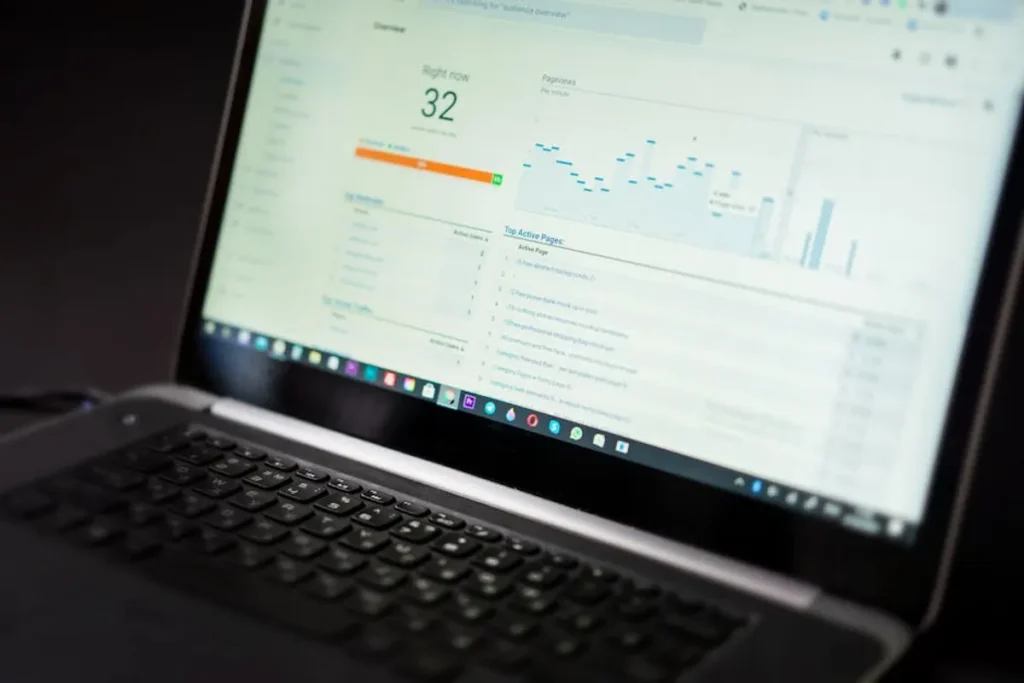
For anyone managing an online presence, understanding website performance is not optional; it is fundamental to digital growth. A dedicated Website SEO Checker functions as a diagnostic and strategic hub, providing granular data on how a site ranks, where technical issues impede visibility, and which keywords drive or could drive traffic. This type of tool moves beyond surface-level analytics, offering actionable insights that inform content strategy, technical optimizations, and competitive positioning. Its utility lies in consolidating diverse data points into a coherent overview, enabling marketers, site owners, and SEO professionals to make data-driven decisions rather than relying on guesswork. This level of detail is key for anyone looking to perform a comprehensive SEO audit and improve their site's overall health.
Analyzing Search Engine Rankings
One of the primary functions of a website SEO checker is to provide detailed insights into search engine rankings. This goes beyond simply seeing a position for a single keyword. A robust checker offers:
- Keyword Position Tracking: Monitors the exact organic search position for a predefined list of keywords across major search engines (e.g., Google, Bing). This tracking often includes historical data, allowing users to observe trends and measure the impact of SEO efforts over time.
- Competitor Ranking Comparison: Enables direct comparison of your site's keyword rankings against those of key competitors. This feature highlights opportunities where competitors rank higher for relevant terms, indicating potential content gaps or areas for targeted optimization.
- Local and Global SERP Analysis: Provides the ability to check rankings from specific geographic locations or device types (desktop vs. mobile). This is critical for businesses targeting local customers or those with a global audience requiring region-specific SEO strategies.
- Visibility Metrics: Aggregates individual keyword positions into overall visibility scores, offering a high-level view of a site's presence in search results. This can include metrics like estimated traffic share or average position across a keyword set.
Commercial Value: Understanding ranking fluctuations allows for immediate adjustments to content, link building, or technical SEO. Identifying declining positions for critical keywords can signal a need for content refresh or competitor analysis, while upward trends validate ongoing strategies.
Identifying Technical and On-Page Issues
Technical SEO issues can silently degrade a site's performance, hindering crawlability, indexability, and user experience. A comprehensive website SEO checker acts as an auditor, scanning for common problems that impede search engine visibility. Key areas of analysis include:
- Crawl Errors: Detects broken links (4xx errors), server errors (5xx errors), and other issues that prevent search engine bots from accessing or processing pages effectively.
- Indexability Problems: Identifies pages blocked by robots.txt, 'noindex' tags, or canonicalization issues that prevent important content from appearing in search results.
- Site Speed Metrics: Evaluates Core Web Vitals (Largest Contentful Paint, Cumulative Layout Shift, First Input Delay) and other page load performance indicators, crucial for user experience and ranking signals.
- Mobile-Friendliness: Assesses how well a site performs on mobile devices, including responsive design, tap target sizes, and viewport configuration.
- Missing or Duplicate Metadata: Flags pages with missing or identical meta titles and descriptions, which can confuse search engines and reduce click-through rates.
- Content Duplication: Identifies instances where identical or near-identical content exists on multiple URLs, potentially diluting ranking signals.
- Schema Markup Validation: Checks for correct implementation of structured data, which can enhance SERP visibility through rich snippets.
Pro Tip: When reviewing technical issues, prioritize fixes based on their potential impact on user experience and search engine crawl budget. Critical errors like non-indexable pages or widespread 4xx errors should always take precedence over minor warnings like slightly long meta descriptions.
Keyword Research and Performance Analysis
Keywords remain the bedrock of search engine optimization. A website SEO checker provides tools to both discover new keyword opportunities and monitor the performance of existing ones:
Keyword Discovery:
- Related Keyword Suggestions: Generates lists of semantically related keywords and long-tail variations based on seed terms, expanding content opportunities.
- Competitor Keyword Analysis: Reveals keywords for which competitors rank, but your site does not, uncovering content gaps.
- Question-Based Keywords: Identifies common questions users ask related to a topic, ideal for FAQ sections or informational blog posts.
Performance Analysis:
- Search Volume and Difficulty: Provides estimates for monthly search volume and a score indicating how challenging it might be to rank for a given term.
- Keyword Intent: Helps categorize keywords by user intent (informational, navigational, commercial, transactional), guiding content creation to match user needs.
- Traffic Estimation: Projects the potential organic traffic a site could receive if it ranks for specific keywords.
Commercial Value: Effective keyword analysis ensures content aligns with user search queries, attracting qualified traffic. By identifying high-volume, low-difficulty keywords, businesses can target achievable ranking opportunities that drive conversions.
Integrating Checker Insights for Strategic Advantage
The true value of a website SEO checker emerges when its insights are integrated into a continuous SEO strategy. Data from ranking reports, technical audits, and keyword research should not exist in isolation. Instead, they should inform a cyclical process of optimization:
- Audit and Prioritize: Regularly run comprehensive checks to identify new issues or changes in performance. Prioritize fixes based on impact and effort.
- Content Strategy Refinement: Use keyword gaps and ranking data to plan new content or optimize existing pages for better relevance and authority.
- Technical Remediation: Address crawl errors, site speed issues, and other technical problems identified by the checker to improve site health.
- Competitor Monitoring: Keep an eye on competitor movements in SERPs and content strategy to adapt and maintain a competitive edge.
- Performance Measurement: Track the impact of implemented changes on rankings, traffic, and conversions, using the checker's historical data.
This iterative approach ensures that SEO efforts are always aligned with current search engine algorithms and user behavior, fostering sustained organic growth.
Frequently Asked Questions
How often should I use a website SEO checker?
For most websites, running a full technical audit monthly is a good practice, with more frequent checks (daily or weekly) for critical keyword rankings and immediate issue alerts, especially after major site updates.
Can a website SEO checker guarantee top rankings?
No, a checker provides data and insights, but it cannot guarantee rankings. Top positions depend on many factors, including content quality, authority, competition, and ongoing optimization efforts.
What's the difference between a general SEO checker and a dedicated rank tracker?
A general SEO checker offers a broad audit of technical issues, on-page elements, and some keyword insights. A dedicated rank tracker focuses specifically on monitoring keyword positions with greater granularity, historical data, and often more advanced competitor analysis for rankings. While both tools offer valuable data, a dedicated checker can provide more in-depth website SEO checks for a holistic view.
Is it necessary to fix every single issue a checker identifies?
Not always. While addressing critical errors is essential, some minor warnings may have negligible impact. Prioritize issues based on their severity, potential impact on user experience, and overall SEO goals.