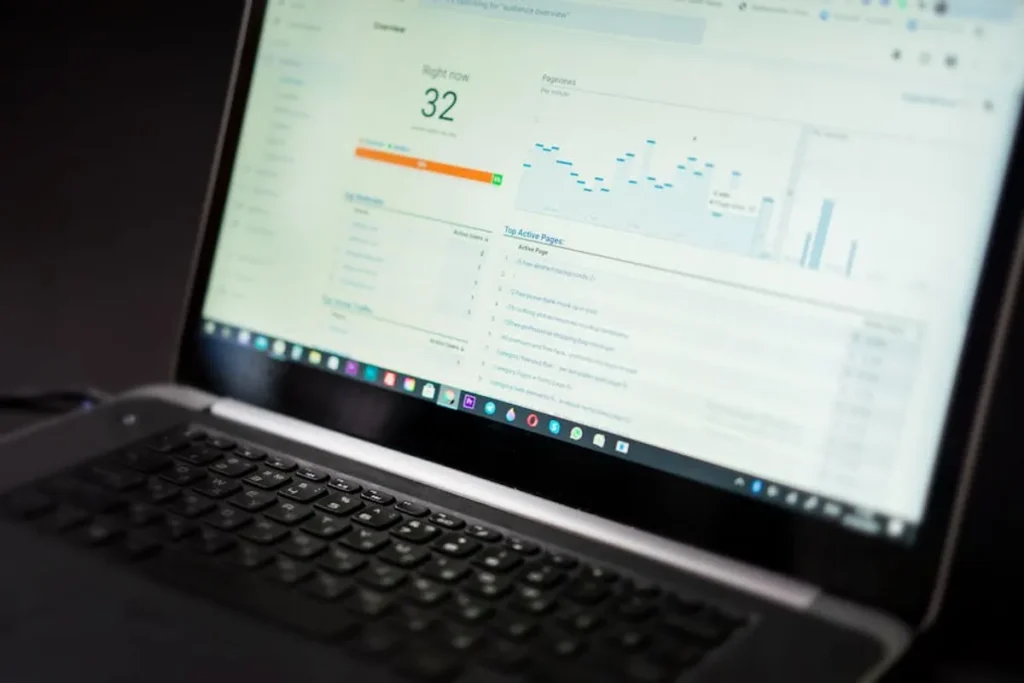
For any website aiming to capture organic search traffic, a regular, systematic audit is not optional; it is foundational. An SEO checker acts as a diagnostic engine, providing a comprehensive snapshot of a site’s health across critical ranking factors. It uncovers technical impediments, content gaps, and off-page weaknesses that directly impact visibility and user experience. Understanding how to leverage such a tool transforms raw data into an actionable roadmap, ensuring resources are allocated to the improvements that yield the highest return on investment. This process is foundational for any site aiming to capture organic search traffic and allows you to perform a comprehensive website audit effectively.
Deconstructing the Website Audit Process
An effective website audit, facilitated by a robust SEO checker, systematically evaluates a site against established search engine best practices. This process is not a one-time event but a cyclical activity, essential for maintaining and improving organic performance in an evolving digital landscape. The core utility of an SEO checker lies in its ability to automate the collection and initial analysis of vast amounts of data, highlighting areas that require human interpretation and strategic intervention.
Technical Foundation: Crawlability and Indexability
The first layer of any comprehensive audit addresses technical SEO. If search engines cannot efficiently crawl and index your site, all other optimization efforts are largely moot. An SEO checker identifies issues that impede this fundamental process. It scans for server errors, robots.txt directives, sitemap integrity, and meta robots tags that might be blocking access to important pages.
Common technical issues flagged by an SEO checker include:
- Broken internal links and external links, which waste crawl budget and frustrate users.
- Duplicate content instances, diluting authority and confusing search engines.
- Missing or incorrect canonical tags, leading to indexation problems.
- Slow page load times, impacting user experience and Core Web Vitals.
- Non-mobile-friendly pages, alienating a significant portion of the audience.
Addressing these technical issues ensures that search engines can discover, understand, and rank your content appropriately. Pay close attention to HTTP status codes, especially 4xx and 5xx errors, as these directly impact user access and crawl efficiency.
On-Page Elements: Content and User Experience
Once technical hurdles are cleared, the audit shifts to on-page factors. This segment focuses on the content itself and how it is presented to both users and search engines. An SEO checker evaluates elements like title tags, meta descriptions, heading structures (H1-H6), keyword usage, and content depth.
Key areas for on-page review:
- Content Quality and Relevance: Does the content genuinely answer user queries and provide value? Is it comprehensive, accurate, and unique?
- Keyword Optimization: Are target keywords naturally integrated into titles, headings, and body text without over-optimization?
- Internal Linking Structure: Does the site effectively link related content, distributing authority and guiding users through the site?
- Image Optimization: Are images compressed for speed and include descriptive alt text for accessibility and search engine understanding?
- User Experience Signals: Beyond core web vitals, does the content layout, readability, and overall design contribute positively to user engagement?
The goal here is to ensure that each page is optimized for its target keywords and provides an excellent experience, encouraging longer dwell times and lower bounce rates.
Off-Page Signals: Authority and Trust
Off-page SEO primarily concerns external signals that indicate a website's authority, trustworthiness, and relevance. While an SEO checker may not directly build backlinks, it provides crucial insights into a site's existing backlink profile. It can identify referring domains, anchor text distribution, and potentially harmful links that could trigger penalties.
A thorough off-page audit focuses on:
- Backlink Profile Analysis: Assessing the quantity, quality, and relevance of inbound links. Are links coming from reputable, industry-relevant sources?
- Anchor Text Distribution: Ensuring a natural and diverse spread of anchor text, avoiding over-optimization for specific keywords.
- Identification of Toxic Links: Spotting and disavowing spammy or low-quality links that could harm rankings.
- Brand Mentions: Tracking mentions across the web, even without direct links, as these contribute to overall brand authority.
Understanding these external signals helps formulate strategies for ethical link building and reputation management, reinforcing your site's standing within its niche.
Interpreting Results and Prioritizing Action
An SEO checker typically generates a detailed report, often with a scoring system or categorized issues. The sheer volume of data can be overwhelming, making interpretation and prioritization critical. Focus on issues labeled as "critical" or "high priority" first, as these often have the most significant impact on search performance.
Pro Tip: When reviewing an SEO checker's report, resist the urge to tackle every flagged issue simultaneously. Focus on high-impact, low-effort fixes first. For instance, resolving critical crawl errors or improving page speed for high-traffic pages often delivers immediate, measurable gains, freeing up resources for more complex content or backlink strategies.
Look for patterns. If multiple pages suffer from the same issue (e.g., missing meta descriptions), addressing the root cause or implementing a sitewide solution is more efficient than fixing pages individually. Categorize findings into technical, on-page, and off-page buckets to streamline your action plan.
Building Your Remediation Plan
The audit is only valuable if it leads to action. Translate the checker's findings into a clear, step-by-step remediation plan. Assign ownership for each task and set realistic deadlines. Document all changes made, including dates and expected outcomes, to track impact effectively.
Your plan should include:
- Immediate Fixes: Critical errors like broken pages, server errors, or indexation blocks.
- Short-Term Optimizations: On-page improvements like meta tag adjustments, content updates, and image optimization.
- Long-Term Strategies: Content creation plans, sustained link-building efforts, and ongoing technical maintenance.
Regularly re-run the SEO checker after implementing changes to verify fixes and monitor for new issues. This iterative process ensures continuous improvement and adaptation to search engine algorithm updates.
Frequently Asked Questions About Website Audits
How often should I perform an SEO audit?
The frequency depends on your website's size, industry competitiveness, and how often you make significant changes. For most businesses, a comprehensive audit every 6-12 months is advisable, supplemented by monthly or quarterly checks for critical metrics like crawl errors and page speed.
Can an SEO checker replace a human SEO expert?
No. An SEO checker is a powerful diagnostic tool that automates data collection and highlights potential issues. However, it lacks the nuanced understanding of market context, user intent, competitive landscapes, and strategic planning that a human SEO expert provides. The tool identifies problems; the expert interprets them and devises solutions.
What are the most critical issues an SEO checker typically finds?
The most critical issues usually involve indexation blocks (e.g., robots.txt disallows, noindex tags), severe crawl errors (e.g., 5xx server errors), extremely slow page load times, and significant duplicate content problems. These directly prevent search engines from accessing and understanding your site.
How do I choose the right SEO checker for my needs?
Consider your budget, the size of your website, the specific features you need (e.g., backlink analysis, keyword research, site speed monitoring), and ease of use. Focus on tools that offer comprehensive data across technical, on-page, and off-page factors, and provide actionable reporting.