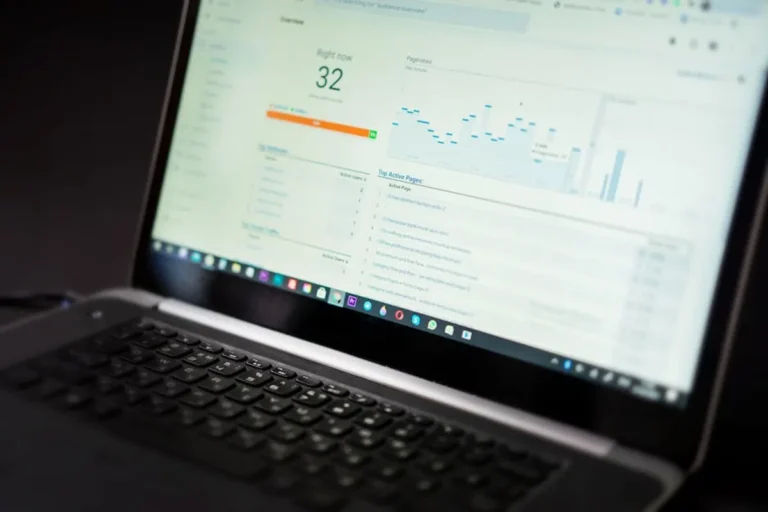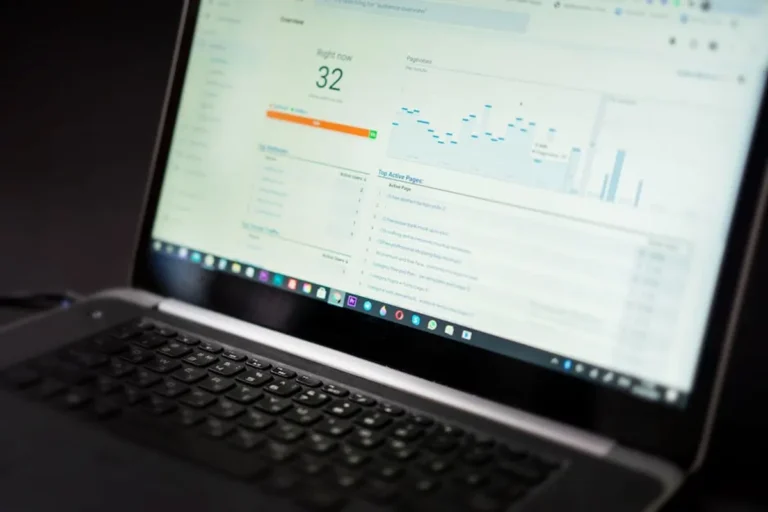
Understanding where a website ranks in search engine results pages (SERPs) is not merely a vanity metric; it is a fundamental pillar of any data-driven digital marketing strategy. A website ranking checker provides the objective data necessary to assess the effectiveness of SEO efforts, identify competitive landscapes, and pinpoint opportunities for growth. For SEO professionals, marketers, and site owners, the ability to accurately monitor keyword positions directly correlates with the capacity to make informed decisions about content, technical SEO, and link building investments.
The Core Function of Website Ranking Checkers
A website ranking checker is a specialized tool designed to monitor and report a domain's position in search engine results for specific keywords. These tools automate the process of querying search engines for predefined terms, collecting the resulting SERP data, and presenting it in an organized, actionable format. This eliminates the manual, time-consuming task of checking rankings one by one, which is impractical for any significant keyword portfolio.
Beyond simple position reporting, these checkers provide critical context by tracking changes over time, identifying which pages rank for which terms, and often integrating with other data sources to offer a more holistic view of search performance. Their utility extends from daily performance monitoring to long-term strategic planning, making them indispensable for anyone serious about organic search visibility.
Granular Keyword Monitoring and Segmentation
Effective rank tracking goes beyond a single global position. A robust website ranking checker offers granular control over keyword monitoring. This includes the ability to track positions for specific keywords across different geographic locations (city, state, country), device types (desktop, mobile, tablet), and even within various search engines (Google, Bing, Yahoo). The ability to segment keywords into logical groups—such as by product category, user intent, or campaign—allows for more targeted analysis and strategic adjustments. For instance, monitoring "local plumbing services" in New York City on mobile provides different insights than tracking "best plumbing software" globally on desktop, each requiring distinct SEO responses.
Competitor Intelligence and Benchmarking
One of the most commercially valuable aspects of a ranking checker is its capacity for competitor analysis. By tracking the keyword rankings of direct and indirect competitors, businesses can gain insight into their rivals' SEO strategies. This includes identifying their top-performing keywords, understanding their visibility for high-value terms, and spotting opportunities where a competitor might be underperforming. Benchmarking your own site's performance against key competitors provides a realistic context for your progress and helps set achievable targets. Tools that allow for direct side-by-side comparison of rank movement across multiple domains are particularly useful for competitive landscaping.
Historical Performance Data and Trend Analysis
The true value of rank tracking often emerges from historical data. A quality website ranking checker stores past ranking positions, enabling users to analyze trends over weeks, months, or even years. This historical perspective is crucial for:
- Identifying the impact of algorithm updates or major site changes.
- Demonstrating long-term SEO ROI to stakeholders.
- Spotting seasonal ranking fluctuations.
- Understanding the trajectory of specific keyword groups or content initiatives.
Without this historical context, current ranking data offers only a snapshot, making it difficult to discern patterns or attribute performance changes accurately.
Pro Tip: When evaluating historical rank data, always correlate significant shifts with known events. This includes Google algorithm updates, major content launches, technical SEO changes, or significant link building campaigns. Without this contextual overlay, even robust data can lead to misinterpretations about cause and effect.
SERP Feature Tracking
Modern SERPs are rich with various features beyond the traditional ten blue links. Featured snippets, local packs, image packs, video carousels, People Also Ask boxes, and shopping results all compete for user attention. An advanced website ranking checker monitors not just organic position, but also visibility within these SERP features. Securing a featured snippet, for example, can provide disproportionate visibility even if your organic position is lower on the page. Tracking these opportunities helps refine content strategy to target specific SERP real estate.
Automated Reporting and Alerts
For agencies managing multiple clients or in-house teams overseeing large portfolios, automated reporting is essential. Ranking checkers offer customizable reports that can be scheduled for delivery to relevant stakeholders, summarizing performance, highlighting key changes, and providing actionable insights. Furthermore, alert systems notify users of significant rank drops or gains, allowing for immediate investigation and response. This proactive monitoring ensures that critical performance shifts are never missed.
Selecting a Website Ranking Checker
Choosing the right website ranking checker involves evaluating several practical considerations to ensure it aligns with specific operational needs and budget constraints.
Data Accuracy and Update Frequency
The reliability of ranking data is paramount. Evaluate prospective tools based on their reported data accuracy and the frequency of their rank updates. Daily updates are standard for competitive environments, providing near real-time insights into performance changes. Less frequent updates (e.g., weekly) might suffice for long-term trend analysis but can delay responses to critical rank fluctuations.
Scalability and Coverage
Consider the volume of keywords you need to track, the number of domains, and the geographical locations relevant to your operations. Some tools are designed for small businesses with limited keyword portfolios, while others cater to enterprise-level agencies requiring tracking for hundreds of thousands of keywords across multiple countries and search engines. Ensure the tool can scale with your growth and cover all necessary search engine properties.
Reporting Flexibility and Integrations
The ability to customize reports, create unique dashboards, and integrate with other marketing tools (like Google Analytics, Google Search Console, or business intelligence platforms) enhances a checker's utility. Agencies often benefit from white-label reporting options, allowing them to present data under their own branding. API access is also crucial for larger organizations that need to pull raw data into their internal systems for advanced analysis or custom application development.
User Interface and Support
An intuitive user interface reduces the learning curve and improves daily efficiency. Look for clear visualizations, easy navigation, and logical data presentation. Responsive customer support, including documentation, tutorials, and direct assistance, ensures that any issues can be resolved quickly, minimizing downtime or data interpretation errors.
Optimizing Your Rank Tracking Strategy
Implementing a website ranking checker is the first step; optimizing its use is where commercial value is truly realized. Regularly review your tracked keywords to ensure they remain relevant to your business objectives and target audience. Segment keywords effectively to isolate performance issues or opportunities within specific product lines or geographic markets. Integrate rank data with other analytics to understand the full user journey, from search impression to conversion. By consistently refining your approach to rank tracking, you transform raw data into a strategic asset that drives organic growth and competitive advantage.
Frequently Asked Questions
Why can my reported rank sometimes differ from what I see in Google?
Discrepancies can arise due to several factors: personalized search results based on your browsing history and location, the specific server location the rank checker uses, whether the checker is tracking mobile vs. desktop results, and the exact time of day the check is performed versus when you manually verify. Ranking checkers provide an objective, non-personalized view from a consistent vantage point, which is critical for trend analysis.
How often should I check my keyword rankings?
For most competitive industries, daily rank tracking provides the most actionable data. This frequency allows for prompt identification of significant rank changes, enabling quick responses to algorithm updates or competitor movements. For less volatile or long-tail keywords, weekly checks might suffice, but daily provides a more granular picture.
Can a website ranking checker help with local SEO?
Yes, many advanced website ranking checkers offer robust local SEO tracking capabilities. They allow you to specify exact geographic locations (e.g., city, zip code) for keyword monitoring, providing precise insights into local pack visibility and organic rankings within specific regional markets. This is essential for businesses targeting local customers.
Is it possible to track competitor rankings using these tools?
Absolutely. Most professional website ranking checkers allow you to add competitor domains and track their keyword rankings alongside your own. This feature is crucial for competitive analysis, helping you understand their organic visibility, identify their keyword strategies, and benchmark your performance against theirs.